
The Grout Crew

Transform your space with the Best Tiling Solution

Transform Your Tile, Restore Its Beauty!

The Grout Crew – Experts in leaking shower repairs and grout replacement. We revive tired tiles, remove stains, and restore grout lines for homeowners and businesses. Let us bring your tiles back to life!

Request A Quote

WHY CHOOSE The Grout Crew?

Experienced
Professionals

We offer a no obligation free qoutation service so you will know exactly what the job will cost before we start

Tailored Solutions
for Every Home

We address the unique challenges of homes with personalized, lasting solutions.

Proven Excellence
in Tile Restoration

With years of proven excellence, we deliver reliable, high-quality, and exceptional results every time.

Expert Tile Repairs & Installations

At The Grout Crew, we take pride in being trusted experts in tile & grout restoration. With years of dedicated service, our skilled professionals are committed to providing outstanding results that exceed your expectations.

We specialize in restoring the beauty and longevity of your tiled surfaces – whether it’s your kitchen, bathroom, outdoor area, or commercial space. From deep grout cleaning and regrouting to tile sealing and full surface restoration, we use advanced tools and eco-friendly solutions to bring your tiles back to life.

Process

Our 3-Step Tile Restoration Process

From inspection to deep cleaning and sealing, we restore your tiles to their original brilliance with lasting protection

1
Inspection & Quote

We start by assessing the condition of your tiles and grout. Our experts will walk you through the problem areas and provide a transparent, no-obligation quote.

2
Deep Clean & Restoration

Using professional-grade tools and eco-friendly products, we deep clean, regrout, and restore your tiles to their original shine – with minimal disruption to your space.

3
Seal & Protect

To ensure long-lasting results, we apply a high-quality sealant that protects your tiles and grout from future stains, moisture, and wear.

Latest Blogs

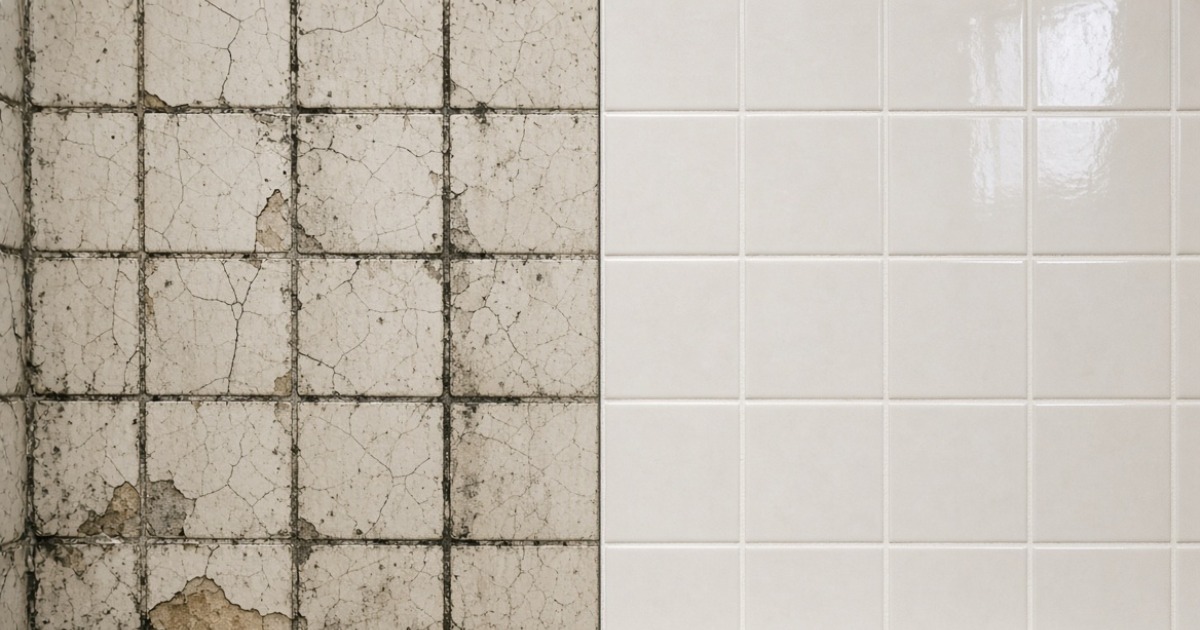
Bathroom tile restoration with clean tiles and refreshed grout

Bathroom Tile Restoration: How to Refresh Old Tiles Without a Full Re-Tile

Before you remove your old tiles, check whether they can be restored. A tired bathroom does not always need a complete renovation. Stained grout, dull tiles, mould, damaged joints and worn silicone can make an otherwise sound bathroom look old. In many cases, bathroom tile restoration can refresh the space without the mess, time and disruption of removing every tile. The Grout Crew specialises in tile restoration, deep cleaning, regrouting, tile repair and sealing. Its restoration process starts by assessing the existing tiles and grout before recommending the most suitable treatment. If your tiles are still in reasonable condition, restoration may give your bathroom a fresh look without a full re-tile. What Is Bathroom Tile Restoration? Bathroom tile restoration focuses on improving and repairing existing tiled surfaces instead of automatically replacing them. The process can include deep tile and grout cleaning, grout restoration, colour sealing, regrouting, tile repair, silicone replacement and surface sealing. The right combination depends on the condition of your bathroom. The Grout Crew follows a three-step restoration process: inspection and quote, deep cleaning and restoration, followed by sealing and protection where appropriate. This makes bathroom tile restoration NZ homeowners a practical option when the underlying tiles remain usable but the surface has lost its original appearance. 5 Signs Your Bathroom May Need Tile Restoration A few simple warning signs can tell you when your bathroom needs attention. 1. Your Grout Has Changed Colour Discoloured grout can make clean tiles look old and neglected. Grout collects soap residue, dirt, moisture and everyday bathroom buildup. Over time, white or light grout can become grey, yellow or dark. Professional grout and tile deep cleaning can remove stubborn buildup and help restore the appearance of the tiled surface. The Grout Crew uses professional tools and cleaning methods to target embedded dirt, stains and buildup. If cleaning alone does not restore the original appearance, grout colour sealing or regrouting may provide a more suitable solution. 2. Your Tiles Look Dull Dull tiles do not always mean that the tiles themselves need replacing. Regular exposure to soap, water and cleaning products can leave residue on tile surfaces. Over time, this buildup can make even good-quality tiles appear tired. If the tiles remain structurally sound, tile restoration may be a better first step than replacing them. Professional cleaning can remove accumulated dirt and residue, while sealing can help protect suitable surfaces from future staining and everyday wear. The Grout Crew says its restoration service is designed to restore the appearance and longevity of tiled surfaces. 3. Your Grout Is Cracked or Missing Damaged grout needs attention before the problem spreads across the tiled surface. Cracked, loose or missing grout can affect the appearance of your bathroom and may allow moisture to reach areas that should remain protected. Depending on the condition, professional regrouting may restore the joints without removing the existing tiles. For a more durable option in suitable applications, The Grout Crew provides epoxy regrouting. Its epoxy grout service is promoted as a durable and stain-resistant solution that can resist water, stains and mould better than traditional grout. Addressing damaged grout early can also help prevent further deterioration and unnecessary tile replacement. 4. Your Shower Has Mouldy Joints Recurring mould around grout and silicone is a sign that your shower needs more than a quick clean. Bathrooms naturally deal with high levels of moisture. However, mould that repeatedly appears around shower joints can make the bathroom look dirty even after regular cleaning. The Grout Crew provides mould cleaning and removal as part of its tile and bathroom restoration services. If mould keeps returning, it is worth looking beyond the visible surface. Damaged grout, deteriorating silicone, poor ventilation or ongoing moisture can all contribute to recurring bathroom mould. 5. Your Silicone Is Worn or Peeling Old silicone can spoil the appearance of a bathroom and leave joints vulnerable to moisture. Check the corners of your shower, around the shower base and where different surfaces meet. Cracked, peeling, shrinking or mouldy silicone may need replacement. The Grout Crew provides tile sealing and re-silicone services to refresh worn joints and provide additional protection. Replacing deteriorated silicone can form an important part of tile and grout restoration, particularly around wet areas that receive regular water exposure. Bathroom Tile Restoration vs Full Re-Tiling The condition of your existing tiles should guide your renovation decision. Full re-tiling may be appropriate when tiles are extensively damaged, the layout needs to change or there are underlying building or waterproofing problems that require more extensive work. However, bathroom tile restoration can make sense when: The key is to assess the existing surface before deciding that everything needs to come out. Can You Restore Old Bathroom Tiles? Yes, many old tiled surfaces can be refreshed when the underlying tiles remain suitable. The right restoration method depends on the tile material, condition, grout, level of staining and moisture exposure. A professional assessment can identify whether the bathroom needs cleaning, regrouting, sealing, tile repair or a combination of treatments. The Grout Crew starts its restoration process with an inspection and quote so problem areas can be identified before work begins. That approach is particularly useful for homeowners who want to restore old bathroom tiles without committing to a complete bathroom renovation. Bathroom Tile Restoration and Waterproofing: What Homeowners Should Know Restoration can improve the visible surface, but it should not be confused with repairing hidden waterproofing problems. This distinction matters particularly in tiled showers. Proper waterproofing beneath and around a tiled shower is important because water can reach concealed building elements when vulnerable areas are not adequately protected. New Zealand’s Building Performance guidance explains the importance of well-sealed shower penetrations in helping prevent water damage. Read the MBIE Building Performance guidance on well-sealed shower penetrations. BRANZ’s Building CodeHub also provides technical information on waterproofing tiled showers, highlighting the importance of appropriate waterproofing in tiled shower construction. So, if you notice water damage, persistent leaks or signs of moisture behind the tiled area, do not
Read More »
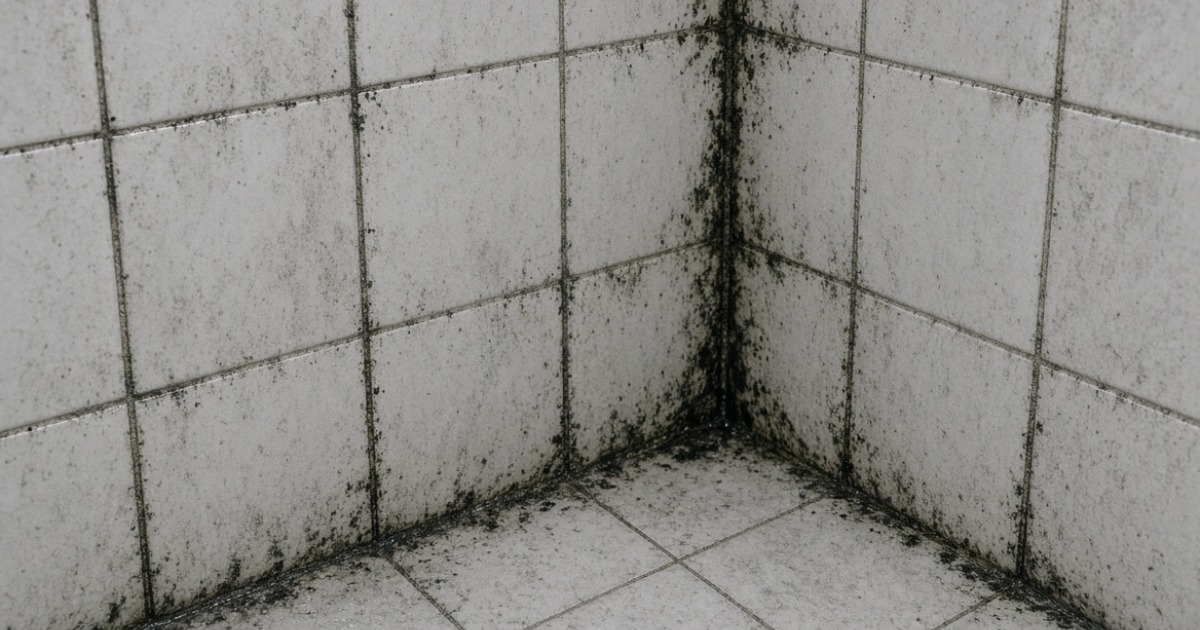
Leaking shower repair with damaged grout and cracked silicone requiring professional repair

Leaking Shower or Damaged Grout? 7 Signs Your Shower May Need Professional Repair

A leaking shower often begins with what appears to be a minor issue, but it can escalate into significant damage over time. Small amounts of water on the shower floor, cracked grout, or deteriorating silicone may not seem urgent at first. However, these are often early indicators that your shower is no longer effectively containing water. Arranging professional leaking shower repair at an early stage can help stop moisture from spreading into the areas behind tiles, walls, or flooring. In New Zealand homes, tiled showers depend on effective waterproofing and properly sealed joints to withstand regular water exposure. Guidance from Building Performance, part of the Ministry of Business, Innovation and Employment (MBIE), emphasises the importance of correctly sealing shower penetrations to reduce the risk of water damage.👉 https://www.building.govt.nz/building-code-compliance/e-moisture/e3-internal-moisture/well-sealed-shower-penetrations-prevent-water-damage/ If you notice any changes in your shower area, it is best not to wait for a major leak to develop. A professional inspection can help determine whether the issue is related to grout, silicone, tiles, seals, or another component of the shower system. For further general guidance on bathroom waterproofing and tiled showers, BRANZ also provides useful resources:👉 https://www.branz.co.nz/ Signs You May Need Leaking Shower Repair Knowing the early warning signs can help you deal with a shower problem before it becomes a bigger repair. Not every damaged shower needs a complete renovation. In many cases, the right repair or restoration work can address the problem without replacing the entire bathroom. Here are seven signs worth checking. 1. Cracked or Missing Shower Grout Damaged grout is one of the first things to inspect when your shower starts showing signs of wear. Grout fills the joints between tiles and helps keep the tiled surface neat and protected. Over time, regular water exposure, movement, cleaning products and general wear can cause grout to crack, crumble or disappear from sections of the shower. Cracked grout does not automatically mean that your waterproofing has failed. However, it should not be ignored, particularly when the damage appears across several areas or is combined with other signs of moisture. Professional shower grout repair can restore damaged joints and help protect the surrounding tiled surface. Depending on the condition of the grout, regrouting may also be an option. For bathrooms that need a more durable solution, The Grout Crew also provides👉 https://thegroutcrew.co.nz/services/re-grout-with-epoxy/professional epoxy regrouting designed to provide a durable, stain-resistant finish. You can also learn more about grout restoration services here:👉 https://thegroutcrew.co.nz/services/ 2. Mould or Dark Staining Around the Shower Persistent mould around grout and silicone can point to a moisture problem that needs more than regular cleaning. Bathrooms naturally produce moisture, especially during hot showers. Good ventilation helps manage that moisture, but mould that repeatedly returns around shower joints, corners or silicone deserves closer attention. Tenancy Services explains that poor heating and ventilation can contribute to mould and dampness in homes. For rental properties, bathroom ventilation is also covered by Healthy Homes requirements.👉 https://www.tenancy.govt.nz/maintenance-and-inspections/heating-and-ventilation/ Mould does not always mean you have a leaking shower, but recurring growth around damaged grout or deteriorated silicone can be a useful warning sign. If cleaning no longer solves the problem, consider whether the underlying grout, silicone or moisture management needs attention. The Grout Crew also offers👉 https://thegroutcrew.co.nz/services/mould-cleaning-removal/mould cleaning and removal services as part of its bathroom restoration solutions. 3. Loose, Cracked or Damaged Tiles A tile that moves, cracks or starts to separate should never be treated as purely a cosmetic issue. Tiles can become damaged for several reasons, including impact, movement, age or problems with the surface beneath them. A loose tile can also leave gaps where water may reach areas that should remain protected. If only a small number of tiles are affected, replacing the damaged tiles may be more practical than removing the entire tiled area. However, the surrounding grout, seals and waterproofing should also be assessed. The Grout Crew provides👉 https://thegroutcrew.co.nz/services/tile-repair/tile repair services to restore damaged tiled surfaces and help homeowners avoid unnecessary replacement where repair is suitable. More information on full tile restoration services is available here:👉 https://thegroutcrew.co.nz/services/ 4. Silicone Has Cracked, Shrunk or Started to Peel Old silicone is easy to overlook, but damaged seals can leave vulnerable joints exposed to regular water. Look closely at the corners of your shower, around the shower base and along areas where different surfaces meet. If the silicone has cracked, separated, shrunk or developed gaps, water can find its way into places it should not. This is where shower silicone replacement can make an important difference. Removing failed silicone and applying a suitable new seal can help protect vulnerable joints and improve the appearance of the shower. The Grout Crew provides👉 https://thegroutcrew.co.nz/services/tile-sealing-re-silicone/tile sealing and re-silicone services to help protect tiled surfaces from moisture and wear. You can also explore related waterproofing and sealing services here:👉 https://thegroutcrew.co.nz/services/ 5. Water Appears Outside the Shower Area Water showing up where it should not is one of the clearest reasons to investigate a possible shower leak. If you regularly find water on the bathroom floor after showering, dampness around the shower entrance or moisture appearing outside the shower area, do not simply mop it up and move on. The source could be a damaged seal, grout issue, shower door problem, plumbing issue or a waterproofing concern. The exact cause needs to be identified before choosing the right repair. This is why professional shower leak repair should focus on finding the source rather than simply covering the visible symptom. For more information on bathroom water damage risks, see MBIE guidance:👉 https://www.building.govt.nz/ 6. A Damp Smell Keeps Returning A musty smell can sometimes indicate that moisture is staying where it should not. A bathroom can smell damp for several reasons, including poor ventilation, mould, wet towels or condensation. But if the smell is strongest around the shower and keeps returning even after cleaning, inspect the shower more closely. Pay attention to the grout, silicone, corners and areas around the shower base. Look for discolouration, soft or damaged materials and signs of persistent moisture.

Read More »